Advocating for domestic workers to be brought within national labour law is a key part of our function as a union. We carry out:
- Discussions with the Ministry of Labour including submissions of Legal Drafts
- Domestic Workers’ Union Charter Submission
- Protests
- Case handling (for workplace and domestic violence cases)
- Other common issues (to do with transportation, garbage, water supply, housing, schooling and road development, among others)
Discussions with Ministry of Labour/Legal Draft
Worker leaders are trained to negotiate with policy makers. Between 2008 and 2026, the union has submitted five legal drafts to the government.
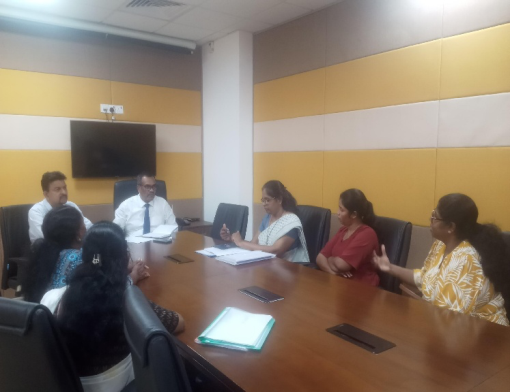
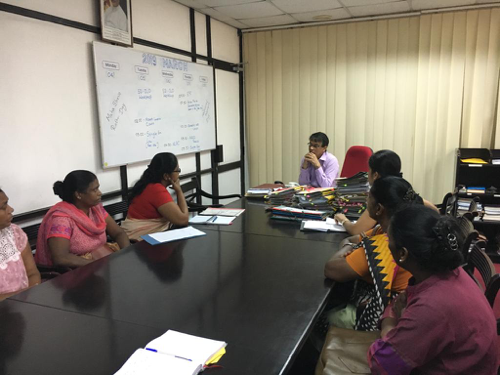
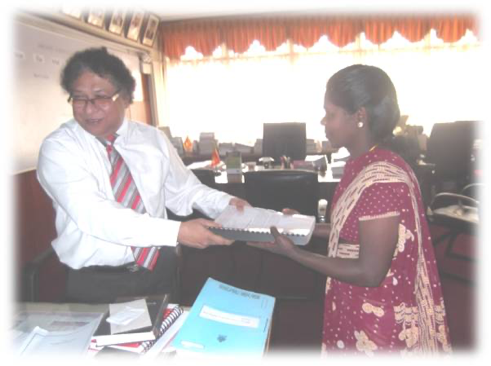
Our latest draft submitted in Day, Month, Year requests the following:
- A
- B
- C
- D
- E
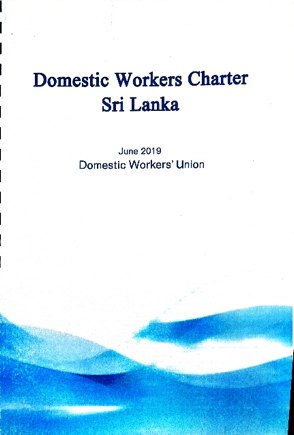
Domestic Workers’ Union Charter
In 2019, the Domestic Workers Union put together a document outlining the best practices for employers and policymakers with regard to domestic work. The union worked closely with other trade unionists and activists, holding solidarity meetings and discussions to develop this charter.Once a draft was created, it was discussed in solidarity meetings with other organizations and ultimately submitted to the labour ministry and the commissioner general. This charter outlines terms related to:
1. Freedom of Association
2. Wages, Terms and Conditions, and
3. Inspection and Dispute Resolution
Protests
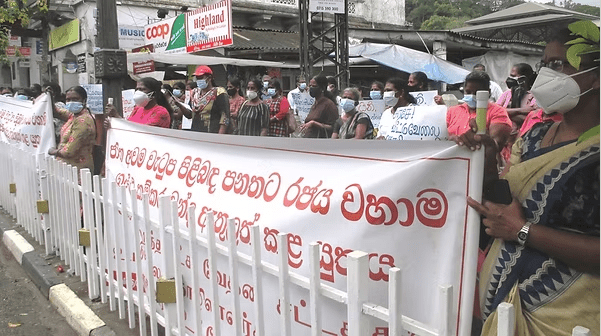
The Domestic Workers Union held protests across Batticaloa, Kandy, Colombo and Hatton, calling for the inclusion of domestic workers into labour law following the devastating sexual assault and death of teenage domestic worker, Hishalini. Exposing the continued existence of child labour and the vulnerabilities, dangers and traumas that young workers are exposed to, the DWU protested for amendments to Sri Lanka’s labour legislation to prevent against such situations in the future.
Case Handling
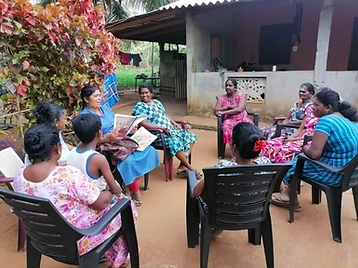
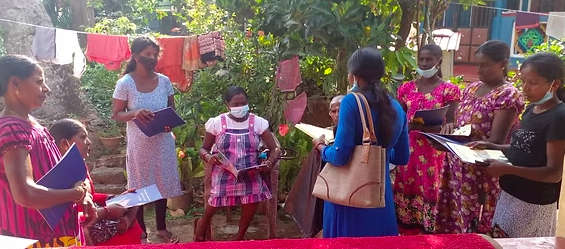
Village committee leaders collect and record cases of domestic violence faced by domestic workers. The office-level team discusses these cases, and those in charge then call the workers to discuss their cases with them, to identify their situations, and explain the possible actions they could take, including going to court, having an intermediary step in between them and their husbands, or other ways to solve their issues.
 Domestic Workers' Union of Sri Lanka